
Pruning & Shaping
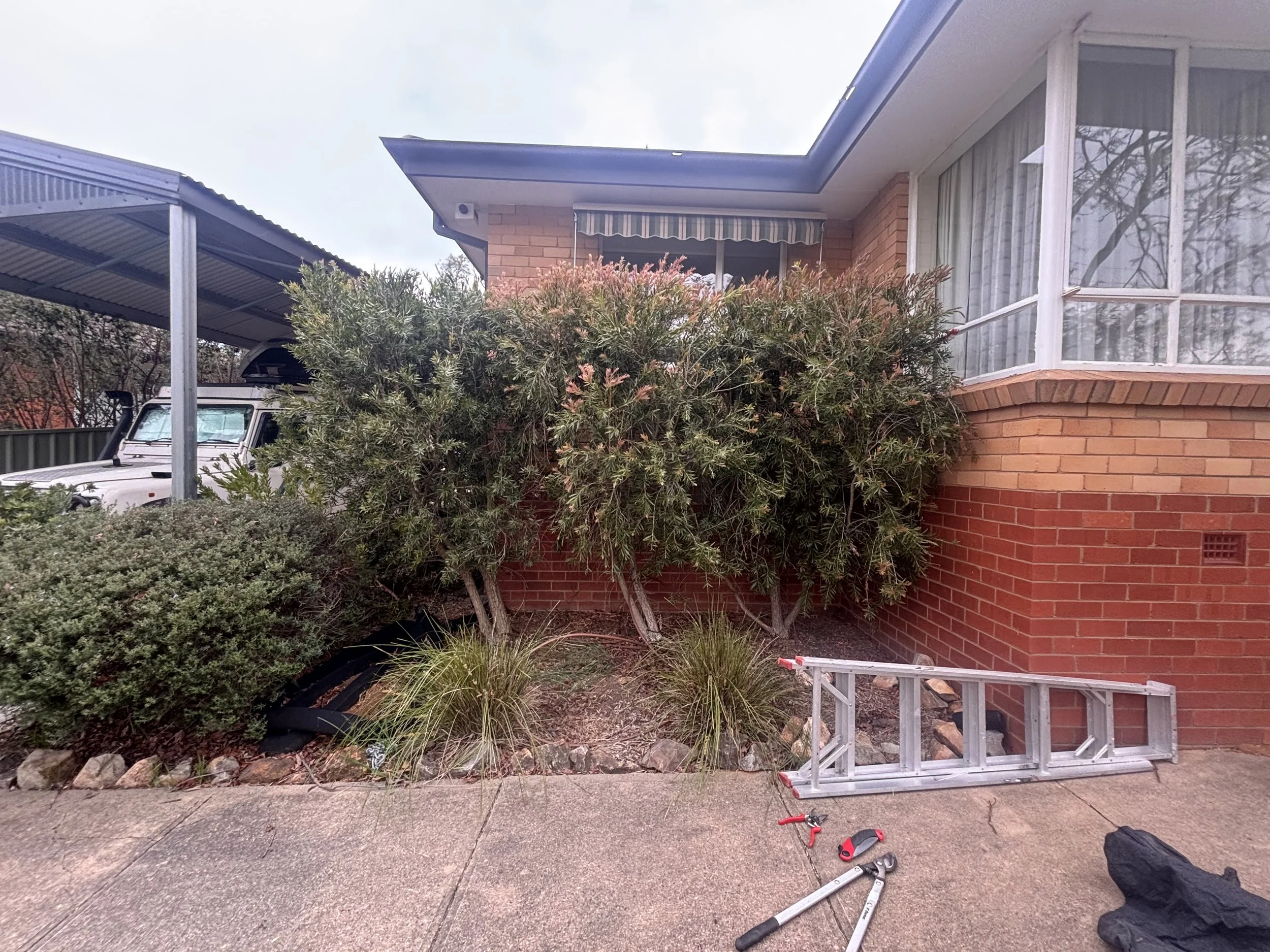
AIRFLOW & CONGESTION
• Reduce density to prevent humidity and fungal problems.
• Improve internal airflow and sunlight penetration.
• Remove crossing, weak, and dead wood.
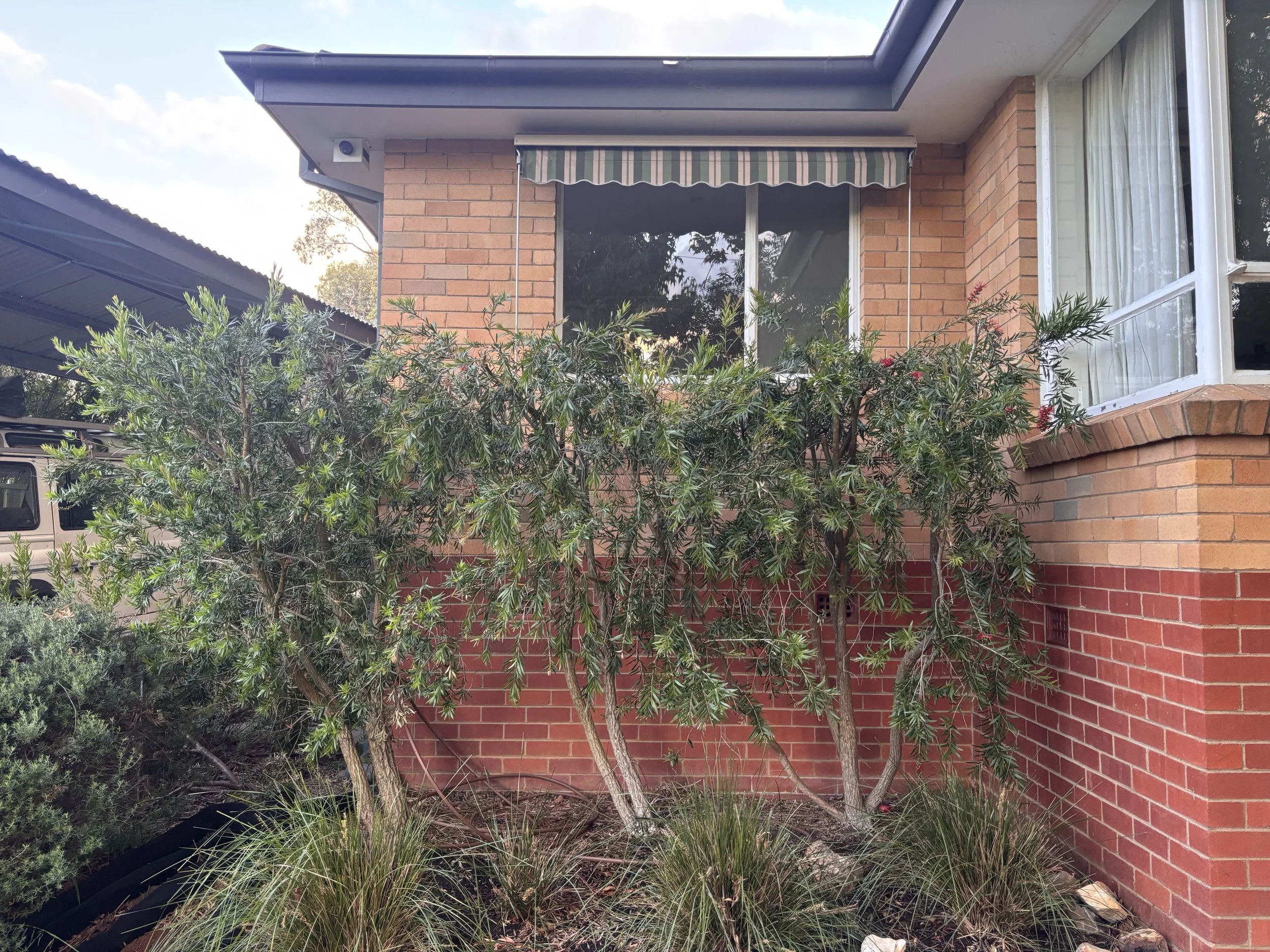
SPECIES-SPECIFIC PRUNING
Techniques adjusted for:
• Grevillea
• Westringia
• Callistemon
• Correa
• Banksia
• Lavender, rosemary, diosma, and more.
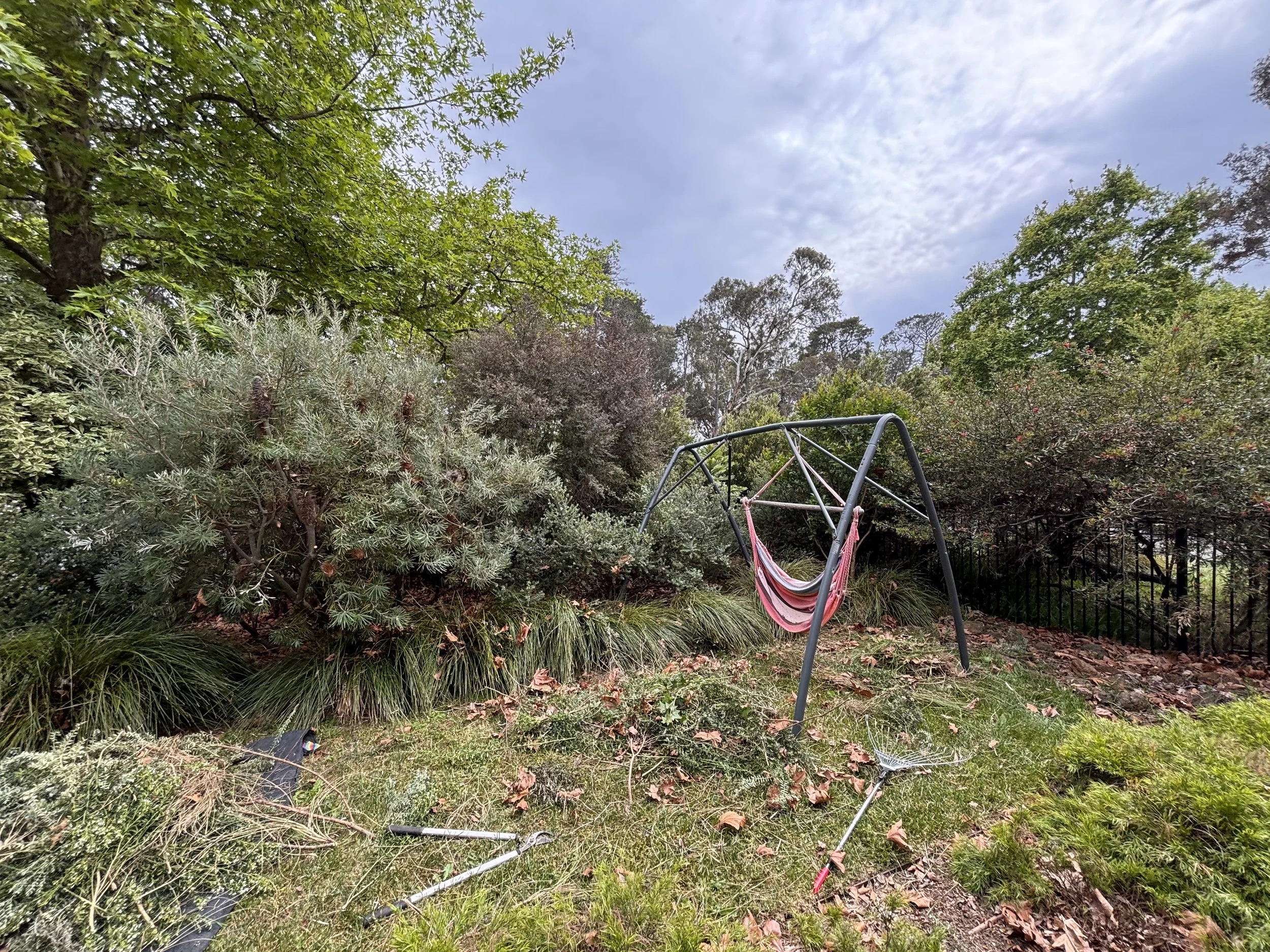
CLIENT NEEDS & GARDEN DESIGN
Whether you want controlled height, improved privacy, more sunlight for windows, or tidier garden structure, pruning is tailored to your goals and the plant’s long-term health.
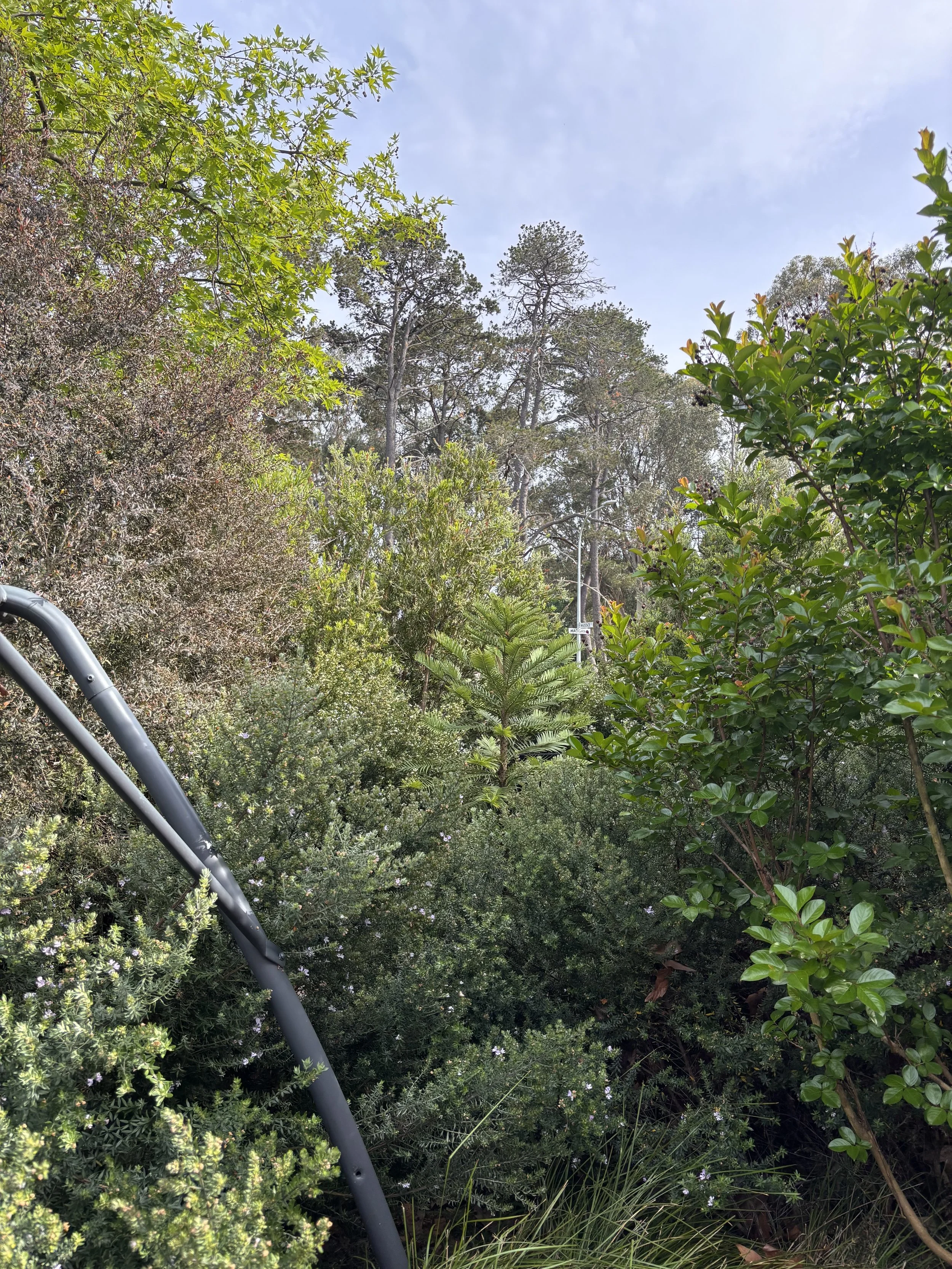
NATURAL SHAPE & GROWTH HABIT
I prune to encourage balanced growth, branch spacing, and natural architecture—avoiding harsh scalping or forced shapes.
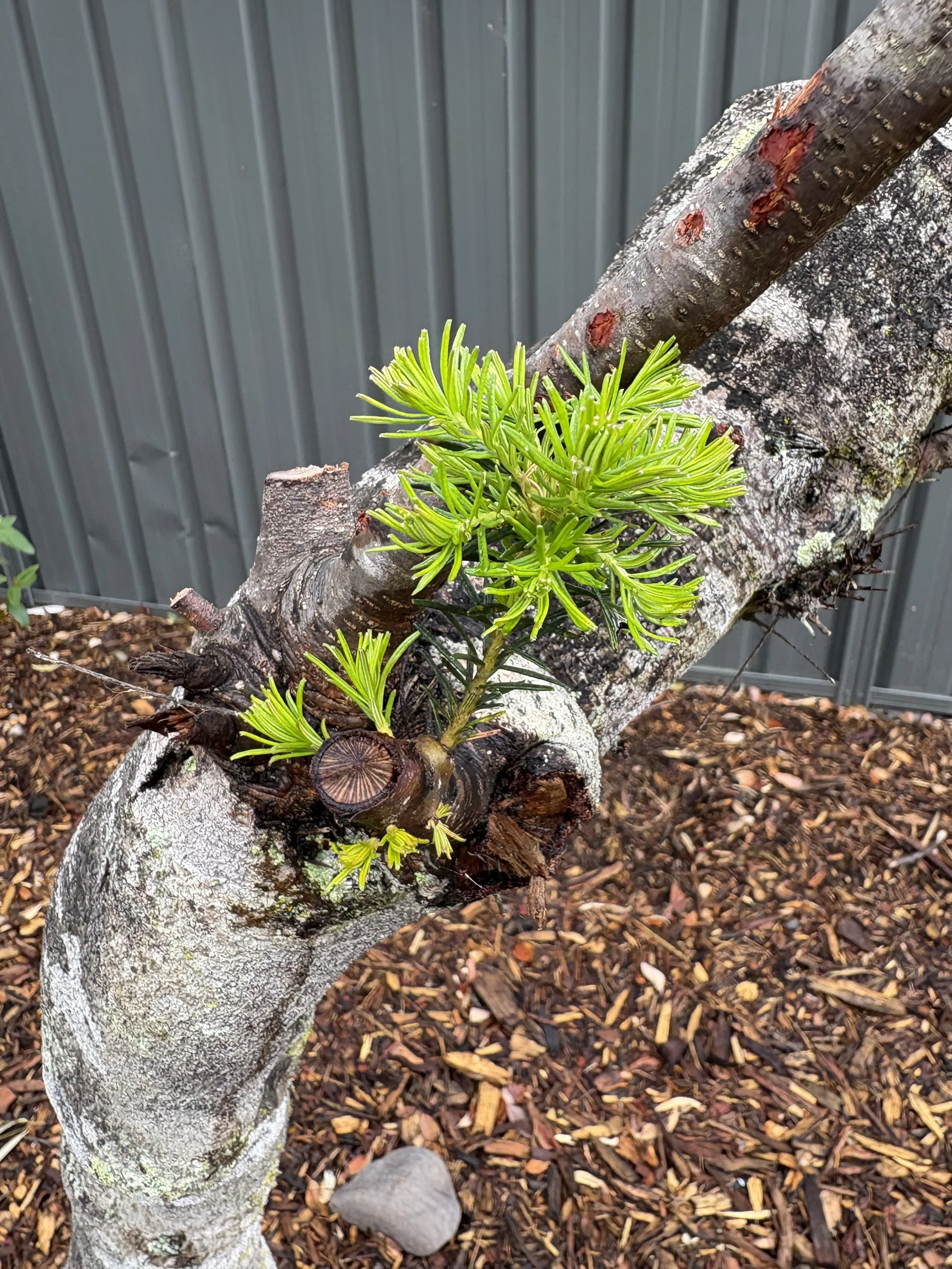
RESULTS
• Healthier, longer-lived plants
• Stronger regrowth
• Reduced disease
• Cleaner, more intentional garden design